

Overview
Kobrand Corporation is a privately owned marketer of wines and spirits that serves as the exclusive agent for many fine European wines. The firm owns many of the brands in its portfolio. Kobrand’s wine offerings includes products from California, France, Hungary, Italy, New Zealand, Portugal, and Spain.
Kobrand’s website serves as a database for Kobrand’s products and as a major source for marketing materials, brand content, and product data. The primary users of the website are distributors, sales personnel, and brand related teams, who access various digital assets on the website to promote the various brands and their products.
Technologies
HTML/CSS, JavaScript, PHP, WordPress (classic & block editor), Photoshop, Adobe Acrobat
Timeline
2 Years
Role
Content Management Coordinator
Responsibilities
Website Management
A major aspect of my role has been the day-to-day management of the website. After the departure of the former website manager, I took on the responsibility of leading the website’s maintenance and development for over a year (December 2022 – January 2024). This entailed making a comprehensive plan for running updates to WordPress, creating backups of the site, troubleshooting errors with IT, and addressing attempted cyber attacks and server issues.

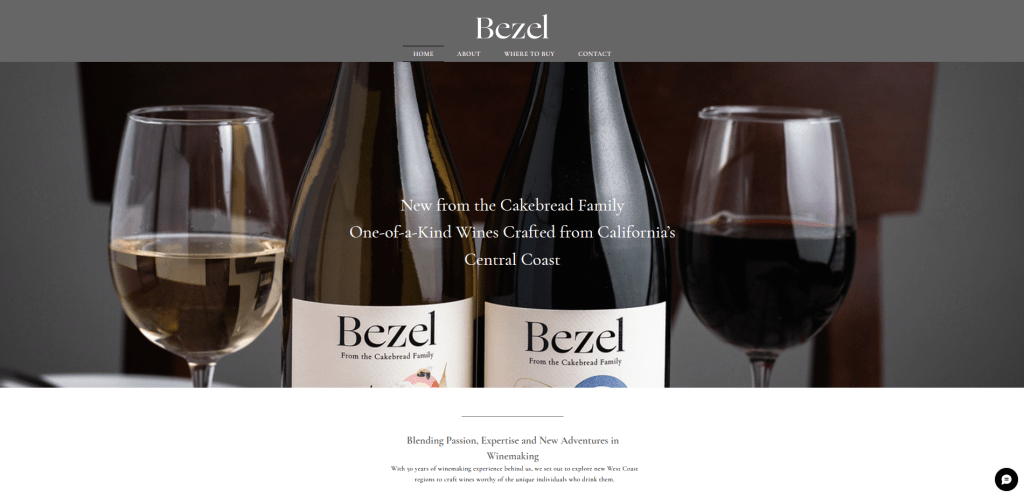
In addition to my duties as fill-in manager, I created landing pages and adjacent websites in WIX for brand managers to promote new products. One of the websites I created was for Bezel Wines (owned by Cakebread Cellars), using the WIX website builder. Assets, product imagery and brand information are displayed on the page to communicate the value of the brand and promote the new products.

Content Management
Managing and organizing content using WordPress is other high-priority in my role. The Kobrand site has been developed by various teams over the years to serve as a single source of truth for product data. Content and digital assets (such as videos, text, and images) are added to the website upon request from different marketing and sales teams. Products are organized by multiple brand pages and feature many different wines in each brand.
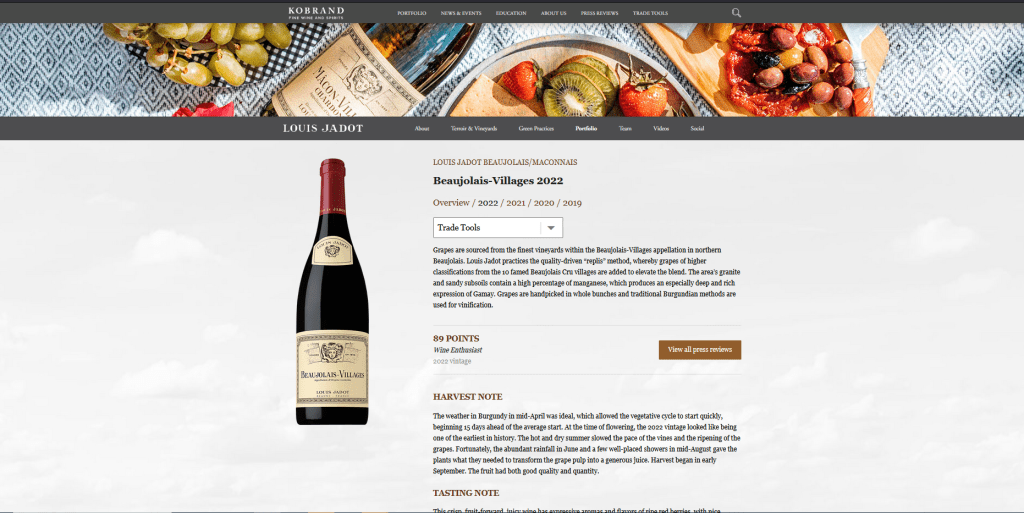
Product pages contain information on each wine vintage, which helps consumers learn about each product in depth before buying. Maintenance of product pages includes resizing bottle images in Photoshop, editing text, and inputting data into WordPress. These product pages are a primary source of data for fact sheets and sell sheets, which the Kobrand Sales Team uses to sell products to accounts and retailers in-store.
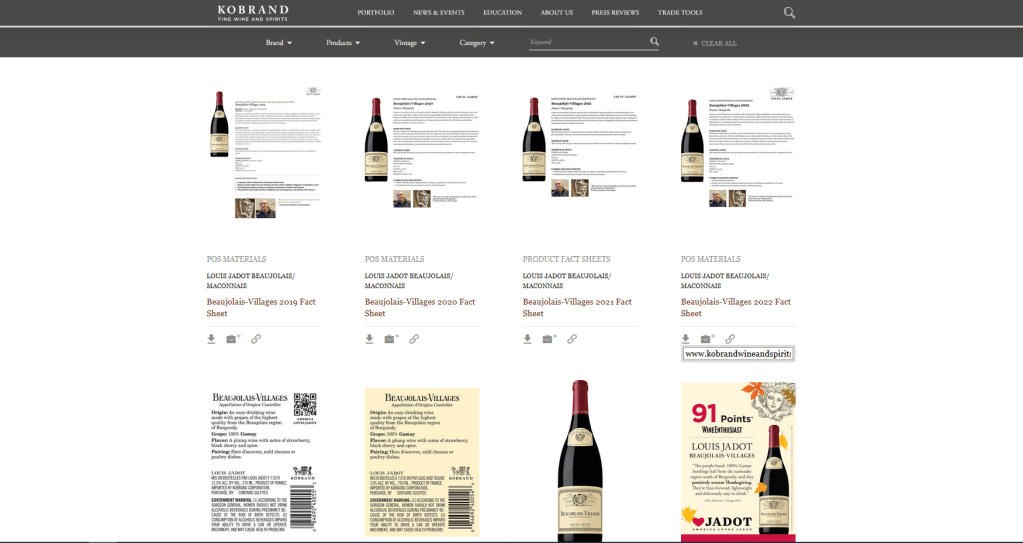
In addition to managing product pages, my team and I also manage the sales tools (digital assets for each product) like sell sheets, product images, and wine tasting books to enhance brand visibility and promote products.
Digital Asset Management | Product Experience Management
At Kobrand, I play a key role in leading digital asset and product experience management initiatives for the marketing department. Retailers require accurate product details to display on their websites. These data requirements include bottle dimensions, UPCs, item numbers, and wine types, which are maintained in Kobrand’s ERP database. This ERP data is extracted into an Excel spreadsheet for import to retailers.
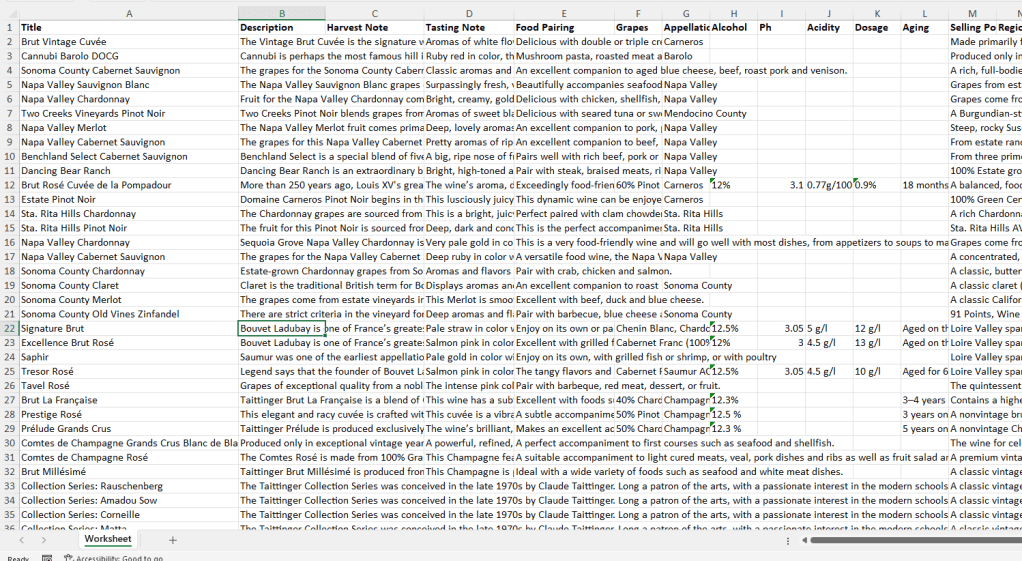
However, ERP does not manage marketing product data (such as product descriptions, pH, acidity, and selling points). This marketing/product data must be exported from the product pages and extracted into a CSV or Excel format. It is then combined with the ERP data in Excel and imported into a product information management system called Salsify to send to retailers.
Once the data is imported into Salsify, it is updated monthly with new vintages, product images, and copy from the website to provide retailers with the most up-to-date content available. Retailers have specific data requirements for content, and products are automatically assessed for compliance with retailer standards in Readiness Report channels.
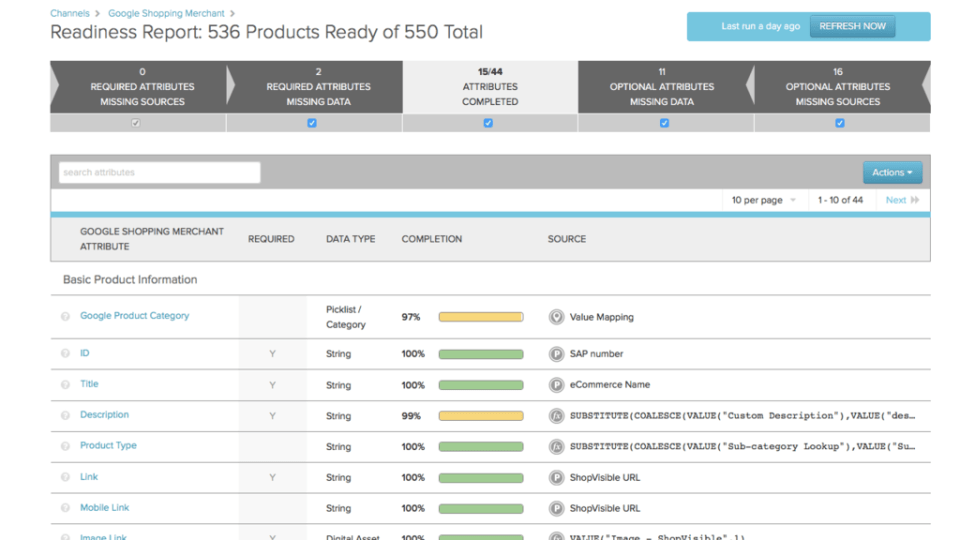
When data is is determined compliant in the Readiness Report, the data is published to the retailer, assessed by their team, and feedback is given. This can include requests for higher resolution images, tips on optimizing text for SEO, request for more data on products, etc. Feedback assists in adjusting content to meet retailer requirements and optimize consumer experiences when shopping online.
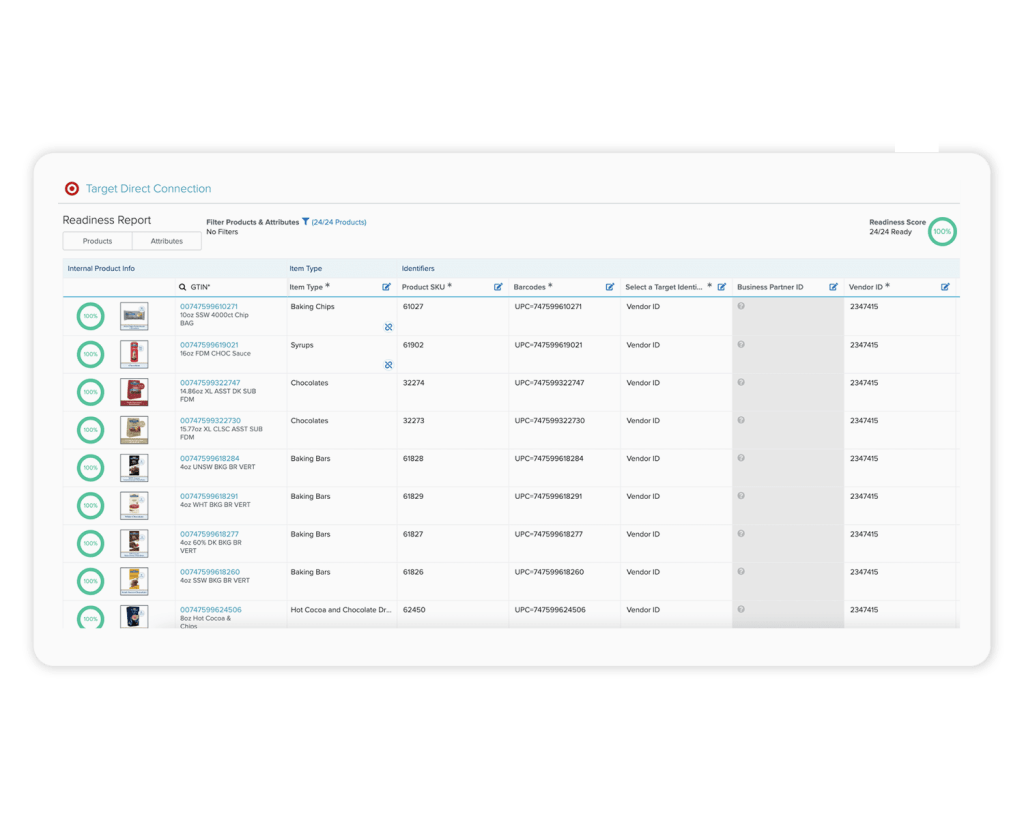
Using Salsify, I have syndicated data for over 2,000 products and 70 brands, ensuring our products are displayed on national retailer websites, including Target, Albertsons, Kroger, GoPuff, and ABC Fine Wines.
 Ivan Woodard